The what to expect pressure washing service guide starts with simple preparation. Move outdoor items, close windows, and make space for the crew. A technician will inspect each surface, choose a safe cleaning method, protect nearby areas, wash in stages, and review the finished work with you before leaving.
Table of Contents
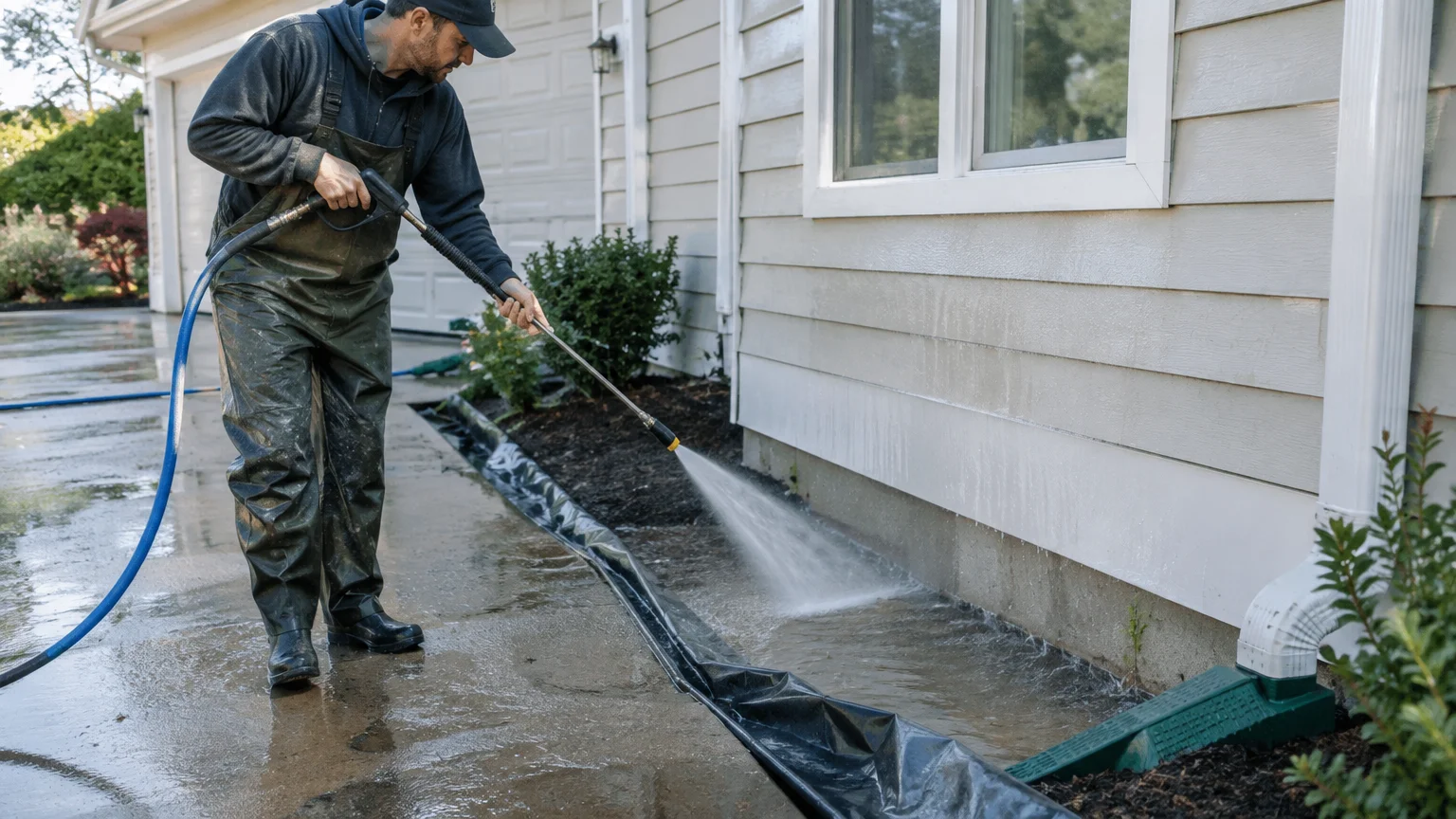
- What should you do before a pressure washing service arrives?
- What happens when the pressure washing professional arrives?
- How does a professional determine which house washing method to use?
- What happens during the house washing process?
- How long does a professional house washing appointment take?
- What should you inspect before the pressure washing crew leaves?
- What should you expect after a professional house washing appointment?
What should you do before a pressure washing service arrives?
Before a pressure washing service arrives, clear outdoor items, close windows, and make access easy. Move toys, planters, grills, furniture, and loose decorations away from the work area. Move cars away from the home, driveway, and other areas that the crew will clean.
How should outdoor areas be prepared?
Check that all doors and windows are fully closed. Tell the company about loose screens, damaged siding, leaking windows, cracked paint, or areas that need repair. This helps the technician avoid adding stress to an already weak surface.
Keep pets indoors while cleaning is underway. Children should stay away from hoses, machines, wet areas, and treated surfaces. If a gate is locked, arrange access before the service day. A clear path helps the visit move in a safe and orderly way.
Unplug or move outdoor electrical items when possible. These items may include lights, speakers, decorations, and extension cords. Point out irrigation controls, pool equipment, outdoor kitchens, and other items that need special care during the first property review.
What access and utilities may be needed?
The crew may need access to an outdoor water connection and a suitable power source. The exact needs depend on the equipment and the property. A technician can explain the setup before work starts.
Parking near the work area may help the crew manage hoses and equipment. The vehicle should not block emergency access, shared driveways, or public paths. In Orange Park, narrow lots, townhome rules, and neighborhood access limits may also affect the setup.
Ask what you must move and what the company will handle. Pressure Washing Orange Park can explain the work area, access needs, and surface concerns before the service day. Clear planning helps everyone understand the plan.
What happens when the pressure washing professional arrives?
When the professional arrives, the first step is usually a short property review. The technician checks each surface, talks through the work, and confirms any areas that need special care. Walk around the property with the crew when possible.
How does the initial walkthrough work?
The technician may check for mildew, algae, dirt, oxidation, stains, loose paint, damaged caulk, and weak surfaces. The review also helps locate windows, vents, outlets, lights, plants, and other items that need protection.
A trained pressure washing contractor should explain the plan in clear words. The work may use low pressure, stronger pressure on hard surfaces, or a cleaning solution followed by a gentle rinse. Strong pressure is not always the safest choice.
Point out the surfaces that matter most to you. These may include the front entry, siding, porch, patio, garage door, fence, or driveway. Photos can help record existing marks or damage before the work begins.
What questions should be asked before work begins?
Ask who will perform the work, which surfaces are included, and how delicate areas will be protected. You can also ask if the crew is insured and if the company has worked with your siding, roof, deck, or masonry before.
Useful questions include:
- Which cleaning method is planned for each surface?
- How will windows, plants, outlets, and furniture be protected?
- What existing damage should the homeowner know about?
- Which areas are included in the appointment?
- What should stay closed or off-limits during cleaning?
Clear answers are a good sign. Vague promises, pressure to begin without a review, or refusal to explain the process may be warning signs. Homeowners in Orange Park and nearby areas can compare answers before choosing a company for a larger exterior cleaning project. Nearby areas may include Doctors Lake, Bellair-Meadowbrook Terrace, Fleming Island, Middleburg, Lakeside, and Green Cove Springs.
How does a professional determine which house washing method to use?
A professional chooses the cleaning method by checking the surface, the buildup, and any existing damage. Soft washing uses a cleaning solution and low water pressure. Pressure washing uses more water force and suits some strong, hard surfaces.
When is soft washing safer than high-pressure cleaning?
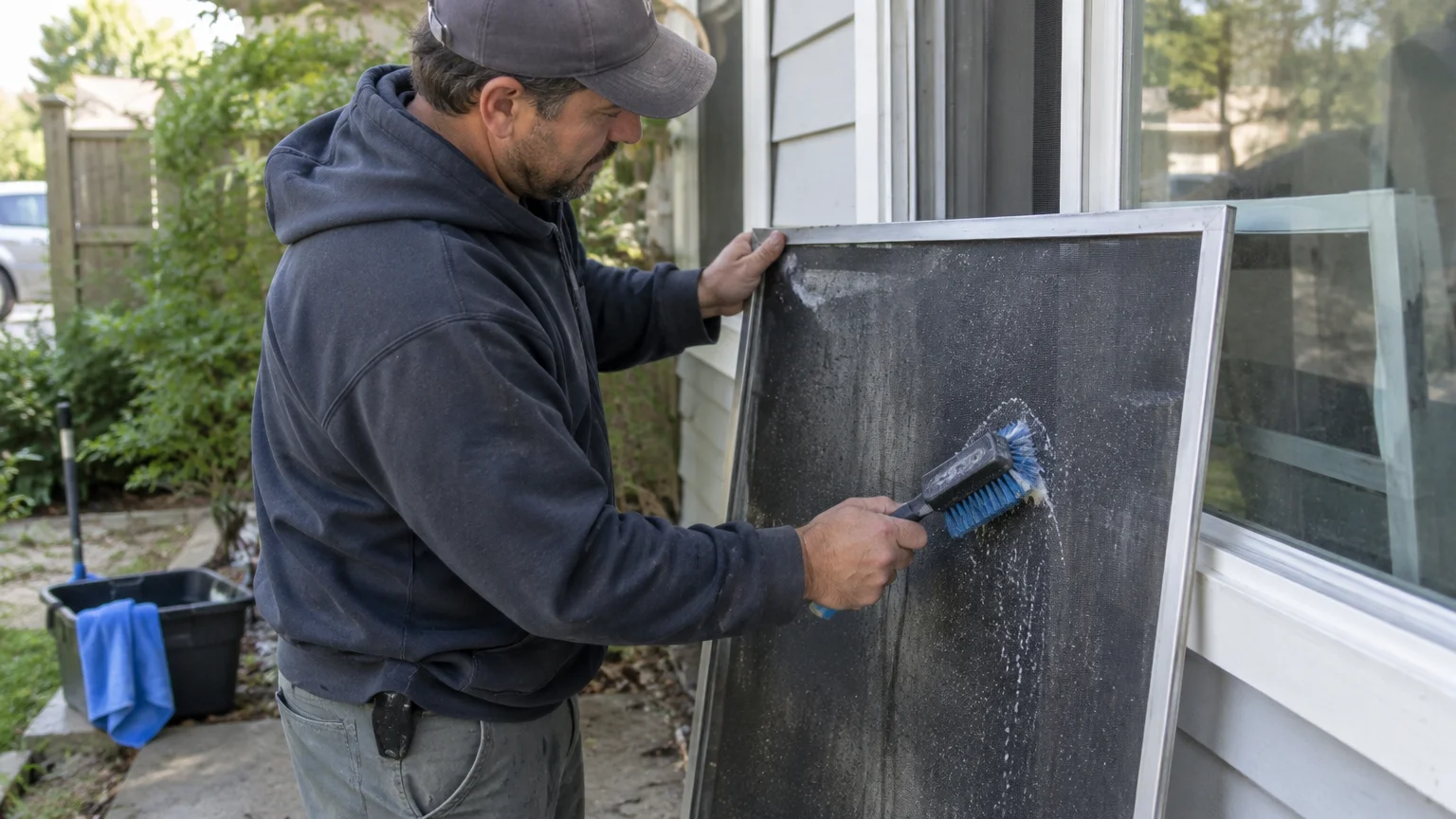
Soft washing is often better for siding, roof materials, painted surfaces, screens, and other areas that strong spray may harm. It helps loosen organic growth and grime before a controlled rinse. The right method depends on the material and its condition.
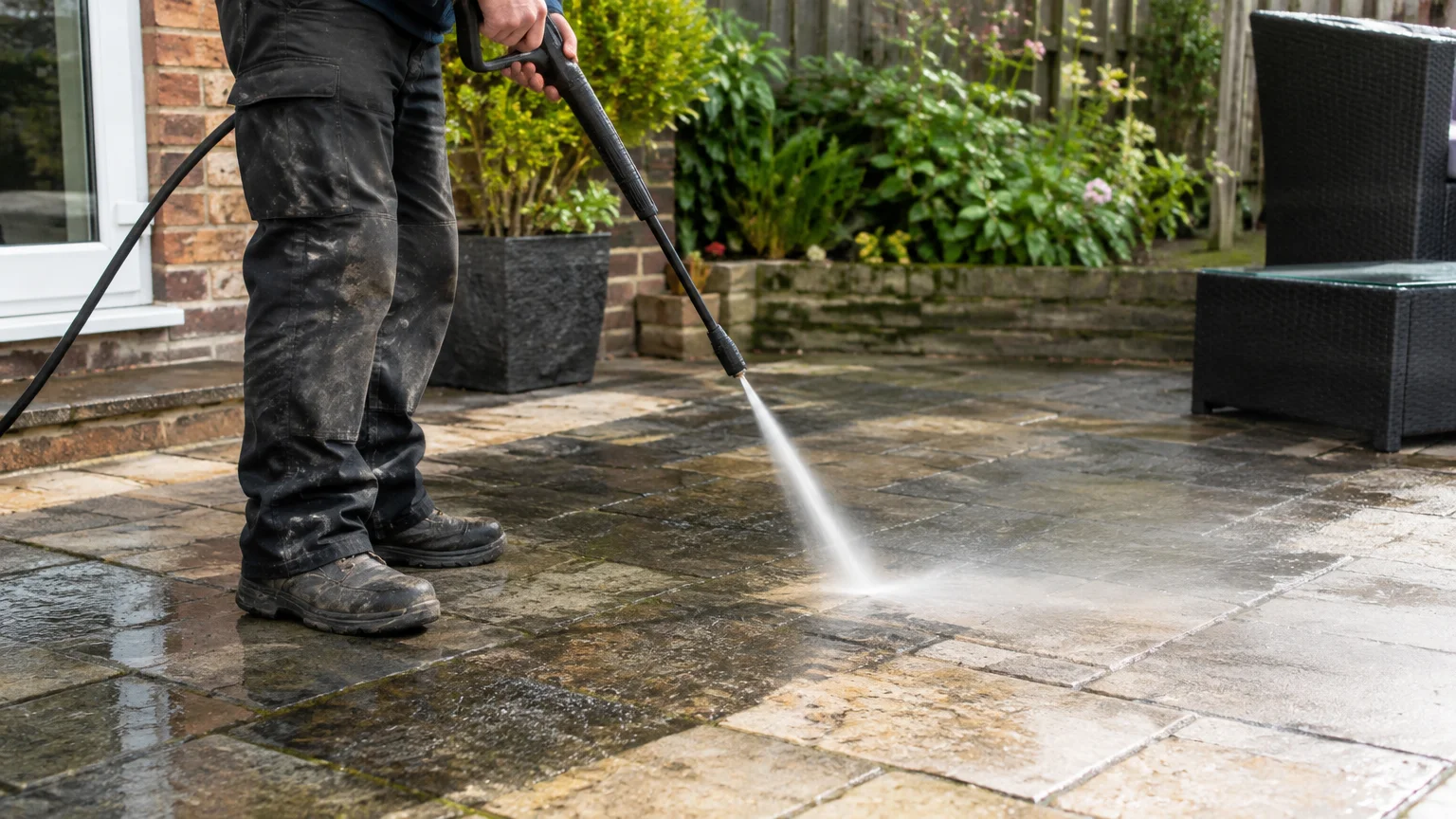
High-pressure cleaning may work well on concrete, some pavers, and other hard surfaces. Even then, the technician should keep water away from cracks, joints, vents, and openings. Too much pressure can remove paint, scar wood, damage mortar, or push water behind siding.
The difference between pressure washing and soft washing is not only the machine. It also includes water pressure, cleaning solution, distance, nozzle choice, and surface safety. A professional should change the process for each area instead of using one setting everywhere.
How do materials and damage affect the plan?
Vinyl siding, stucco, brick, wood, concrete, and painted metal all react differently to water and cleaning products. A technician may test a small area before cleaning the full surface. This helps show whether the planned method is safe.
Existing damage may change the work plan. Loose boards, failed caulk, chipped paint, cracked mortar, and soft wood may need repair first. A careful company should explain these limits instead of hiding them.
You do not need a professional for every outdoor cleaning task. Light dust on a small, sound surface may be handled with a garden hose and soft brush. Professional help is a better choice when the area is high, delicate, badly stained, near electrical parts, or hard to control safely.
What happens during the house washing process?
During house washing, technicians protect the property, apply the chosen method, rinse each area, and check their progress. Work often moves from higher surfaces to lower ones. This helps stop dirty water from running over areas that were already cleaned.
How are plants, fixtures, and nearby surfaces protected?
The crew may wet plants before cleaning and rinse them again afterward. They may also cover or move sensitive items, protect outdoor outlets, secure screens, and keep water away from vents. Mention plants or fixtures that need extra care.
Keep windows and doors closed during the wash. The crew should use care around seals, trim, lights, cameras, doorbells, and painted features. Water should not enter openings or pass behind loose siding.
Runoff should be handled with care. The technician may direct water away from doors, garages, landscaping, and nearby property. Local rules can affect how dirty water is handled, especially near storm drains or shared paths.
What is the usual cleaning sequence?
The order can change from one property to another. It often includes these steps:
- The crew sets up hoses, equipment, and safety controls.
- Technicians protect plants, fixtures, windows, and nearby items.
- A cleaning solution or controlled spray loosens dirt and organic growth.
- Each section is rinsed with pressure and distance suited to its material.
- The crew checks the surface and repeats safe cleaning where needed.
- Equipment is removed, and the work area is rinsed and checked.
The goal is not to use the strongest spray. The goal is to clean without harming the surface. This matters for siding, patios, decks, fences, roofs, and brick.
How long does a professional house washing appointment take?
A professional house washing appointment may take part of a day. The schedule depends on the property and the work plan. Home size, surface condition, access, weather, and the number of areas being cleaned all affect the timeline.
What affects the timeline of a residential job?
A small, open property with light dirt may take less time than a large home with heavy buildup and limited access. Multiple stories, long hose runs, delicate surfaces, and detailed protection can also add work time.
A house wash may be part of a larger visit. The visit could include a driveway, patio, deck, fence, roof, or pool deck. Each surface may need a different method. For example, a wood deck needs more care than a sound concrete walkway.
The company should explain what is included and whether the crew expects to complete all areas during the appointment. A professional should not rush a surface just to follow a set schedule.
Pressure washing costs can vary because of the size of the property, surface type, buildup, access, and amount of protection needed. Related work may require a different level of care and time. Service estimates should explain the planned work, and the final cost should be confirmed on a quote.
Why can weather change the schedule?
Rain, strong wind, extreme heat, and freezing weather can affect cleaning. Wind may carry spray onto windows, plants, vehicles, or nearby property. Rain can also make it harder to judge the final look while surfaces are wet.
Some cleaning solutions need time to work. Other surfaces need time to dry before they can be checked. If weather changes, the company should explain whether work can continue safely or needs to wait.
Keep the planned day flexible when possible. Pressure Washing Orange Park can help Orange Park property owners understand how access, weather, and surface condition may affect the visit. The company should not promise a fixed timeline before seeing the property.
What should you inspect before the pressure washing crew leaves?
Before the crew leaves, inspect the cleaned areas with the technician. Try to complete the review in good light. Surfaces may look different while wet, so ask which areas need more time to dry.
What should be checked during the final review?
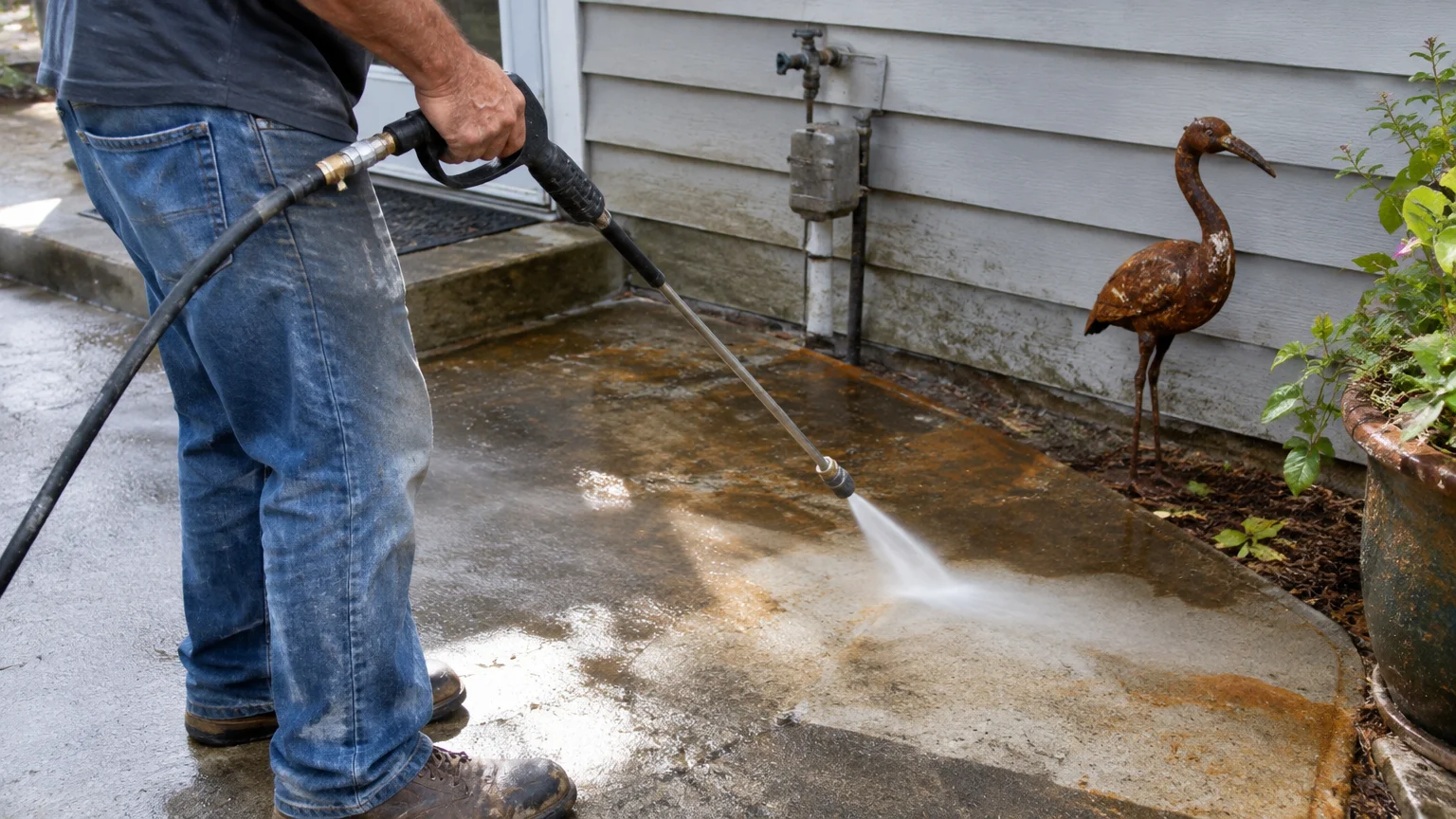
Compare the finished areas with the original plan. Look at siding, trim, doors, walkways, patios, decks, fences, and other included surfaces. Deep stains, rust, old paint marks, and lasting discoloration may need another treatment or remain partly visible.
The homeowner should also check for:
- Missed bands, corners, edges, or sections below windows
- Water around doors, outlets, vents, and exterior fixtures
- Moved or damaged plants, decorations, screens, or furniture
- Mud, dirty runoff, leaves, or debris left nearby
- Areas that must dry before the final result can be judged
If something looks unclear, ask about it before the crew packs up. A good company can explain what was cleaned, what could not be removed, and whether another safe pass is suitable.
What should post-service cleanup include?
The crew should remove hoses, covers, tools, and protective materials. Plants and nearby surfaces may need a final rinse. Gates should be closed, and outdoor items should be returned only when safe. Water should not remain near the foundation or entry doors.
You should receive simple care instructions. These may include keeping windows closed until the area dries, avoiding wet surfaces, and watching for loose paint or damaged caulk that became easier to see after cleaning.
What should you expect after a professional house washing appointment?
After a professional house washing appointment, some surfaces may stay damp for a while. The final result may become clearer as water drains and the surfaces dry. Keep people and pets away from wet areas until the technician says they are safe to use.
When do results become clear?
Siding and hard surfaces often look cleaner as they dry. Shaded areas may stay wet longer than sunny areas. Organic staining may also fade after the cleaning solution has had time to work.
A professional should not promise that every mark will disappear. Rust, oil, failed paint, lasting weathering, and deep discoloration may need another service. Report a concern promptly and describe the exact area in question.
Regular care can help exterior surfaces stay cleaner. Clear leaves, keep gutters working, trim plants away from walls, rinse light dirt with a garden hose, and fix leaks quickly. These steps do not replace professional cleaning, but they can reduce buildup between visits.
How can homeowners maintain clean exterior surfaces?
Keep walkways and patios free of leaves and standing water. Check decks for loose boards and worn coatings. Watch siding for cracked caulk, open seams, and places where water may enter.
Roof cleaning, patio cleaning, deck cleaning services, fence cleaning, and commercial exterior work may each need a separate plan. Do not use one pressure setting or cleaning product for every surface. Solar panels also need care that follows the panel maker’s guidance.
Key takeaways
- Prepare access, windows, vehicles, pets, and outdoor items before arrival.
- Expect a walkthrough and surface review before cleaning begins.
- The safest method depends on the material, buildup, and existing damage.
- Inspect the work with the technician before the crew leaves.
- Keep wet areas clear and follow the company’s care instructions.
Frequently Asked Questions
Should a homeowner be home during house washing?
A homeowner does not always need to stay home. Being available for the first walkthrough is helpful, though. The crew may need answers about access, fragile items, pets, existing damage, or priority areas. If nobody can attend, arrange clear entry instructions and share concerns before the appointment.
Can a homeowner pressure wash a deck without professional help?
A homeowner may clean a small, sound deck with care. Wood can scar easily, though. The operator must use the right pressure, nozzle, distance, and cleaning method. Professional help is safer for high decks, weak boards, painted surfaces, heavy growth, or areas near electrical equipment.
What is the difference between pressure washing and soft washing?
Pressure washing relies more on water force. Soft washing relies more on cleaning solution and low pressure. A professional chooses between them based on the surface and buildup. Soft washing is often safer for siding, roofs, painted areas, and delicate materials that strong spray may harm.
How should a homeowner prepare windows and doors?
Close and check all windows and doors for damaged seals or loose screens. Remove items near entries and tell the crew about leaks or cracks. Technicians should avoid directing water into openings, vents, outlets, and other areas not made for spray.
What if a stain remains after cleaning?
Some stains are lasting or need a different treatment. Rust, oil, old paint, and weathered marks may not respond to ordinary house washing. Ask the technician what caused the mark, whether another method is safe, and whether repair or replacement is more suitable.
A clear service-day process helps property owners protect their buildings and review the finished work. Pressure Washing Orange Park can explain the cleaning plan and preparation steps. Contact us to discuss a professional house washing appointment.